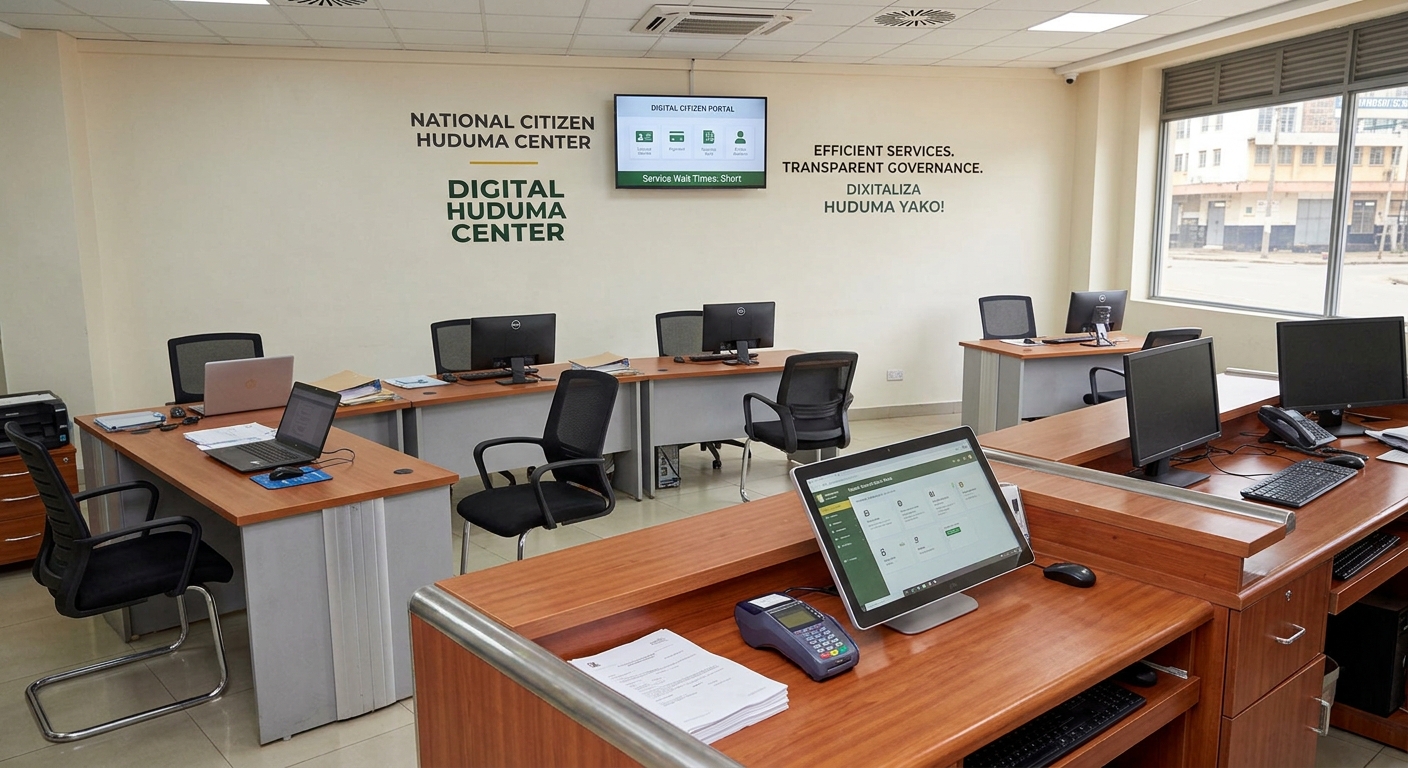
For decades, interacting with local county governments meant navigating endless queues, navigating stacks of paper files, and dealing with delays that tested anyone's patience. Today, that narrative is shifting rapidly. From automated revenue collection to unified citizen service portals, county governments across the region are embracing digital transformation.
This shift is not merely about following technological trends—it represents a fundamental re-engineering of how public administration operates.
The Pillars Driving Digital Adoption
Maximizing Own-Source Revenue (OSR): Manual cash collections historically created severe loopholes, leakages, and under-reporting. By digitizing payment gateways for business permits, parking, land rates, and licensing fees through direct mobile money and bank integrations, counties are dramatically plugging revenue leaks and boosting collections.
Enforcing Transparency and Building Trust: When financial transactions and service requests exist on paper, audit trails are easily compromised. Digital systems generate immutable logs, structured reporting, and real-time dashboards. Citizens gain confidence when they can track the exact status of an application or verify their payment instantly.
Operational Efficiency and Cost Reduction: Physical document storage and manual data entry consume immense physical space and labor hours. Digitizing records allows county departments to share verified citizen data instantly, shortening service delivery times from weeks to minutes.
Citizen-Centric Convenience: Modern citizens expect self-service capabilities. Moving services to USSD codes, mobile applications, and web portals means a business owner can renew a permit from their shop floor without spending an entire day at county headquarters.
Data-Driven Decision Making: Digital platforms transform daily operational data into actionable intelligence. County executives can analyze business density, traffic patterns, and fee collection trends in real time, leading to smarter budget allocations and urban planning.
Overcoming the Transition Barriers
The digital journey is not without its hurdles. Success requires tackling infrastructure gaps in rural areas, upskilling public sector workers, enforcing strict data protection standards, and ensuring non-tech-savvy citizens are not left behind.
Ultimately, going digital is about human impact. Technology serves as a tool to remove friction between citizens and the public services they rely on. Counties that build around actual operational workflows—prioritizing ease of use, security, and accessibility—will set the standard for modern governance.
Share this post
Know someone who'd enjoy reading Why County Governments Are Going Digital?